Why AI concept art matters for game developers
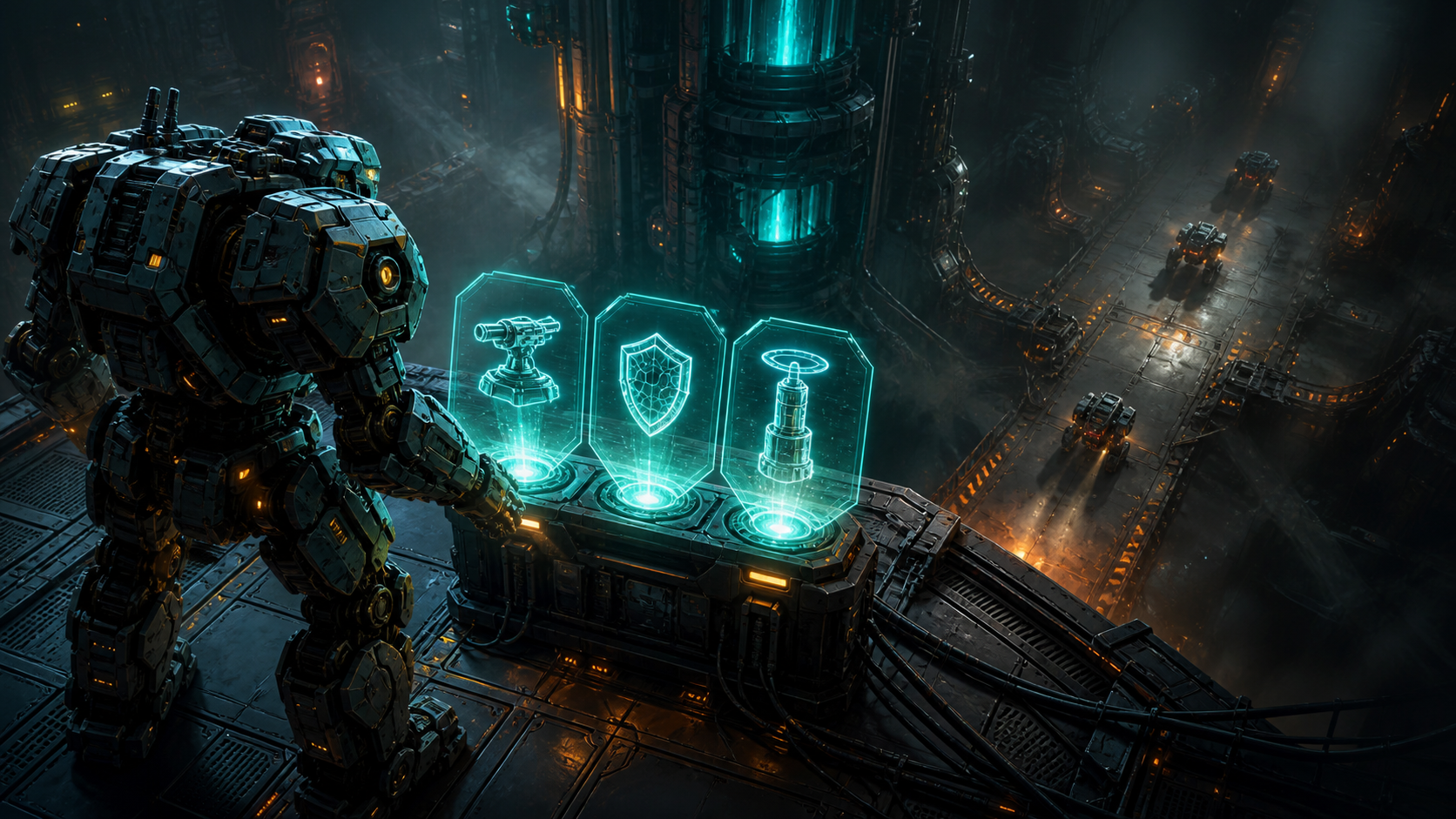
Game concept art sets the visual direction for a project. Traditionally, this required skilled artists and weeks of iteration. AI image generation can produce dozens of directions in hours, letting developers explore more options before committing to a style.
The key is treating AI output as a starting point, not a final product. Vibart AI's editing canvas lets you refine generated concepts into production-ready references.
Creating mood boards with AI
A mood board communicates the visual target for a project. Use Vibart AI to generate images that capture the desired atmosphere, color palette, and style. Generate multiple variations, then curate the best into a cohesive board.
For survivor-like games, mood boards should show the core loop: combat, exploration, and upgrades. Astro Looter: Survivor emphasizes mining and sci-fi. Iron Core: Mech Survivor focuses on post-apocalyptic mechs.
From concept to production
AI-generated concepts are starting points for human artists. Use them as references for composition, color, and mood. The final art should be created by artists who understand the game's technical requirements.
Vibart AI bridges the gap between exploration and production. Generate concepts → refine in the canvas → export as reference sheets → hand to artists for final production.
Frequently asked questions
Can AI generate game concept art?
Yes. AI can generate concept art that serves as a starting point for human artists to refine into production-ready assets.
How do I use Vibart AI for game prototyping?
Generate multiple visual directions from text prompts, refine the best options in the canvas, and export as reference sheets for your art team.
Sources & further reading
Features and availability can change. Use these first-party pages for the latest details.