
The headline people want—and the proof it needs
“Fastest-growing Steam game” is a comparative claim. To prove it, you need a defined time window, a comparison set, a consistent measure, and access to comparable sales data. Steam does not publish a complete public ranking of every game’s unit-sales growth. That means an article can discuss Iron Core’s momentum without claiming a historical record it cannot independently verify.
What the public record does show
The official Steam community news feed includes a developer update saying sales had almost reached 10,000 copies at that point. SteamDB provides public metadata, review history, price history, player counts, and third-party estimates. These sources support a story about meaningful early momentum, but they do not establish that Iron Core was the fastest-growing game on all of Steam.
A better way to measure growth
- Compare copies sold per day during a clearly stated launch window.
- Separate paid sales, bundles, demos, gifts, refunds, and free promotions.
- Track review velocity alongside sales because review counts are not unit sales.
- Compare only against games with comparable public data and release windows.
- Label developer backend numbers as first-party data and estimates as estimates.
Why the claim is still worth investigating
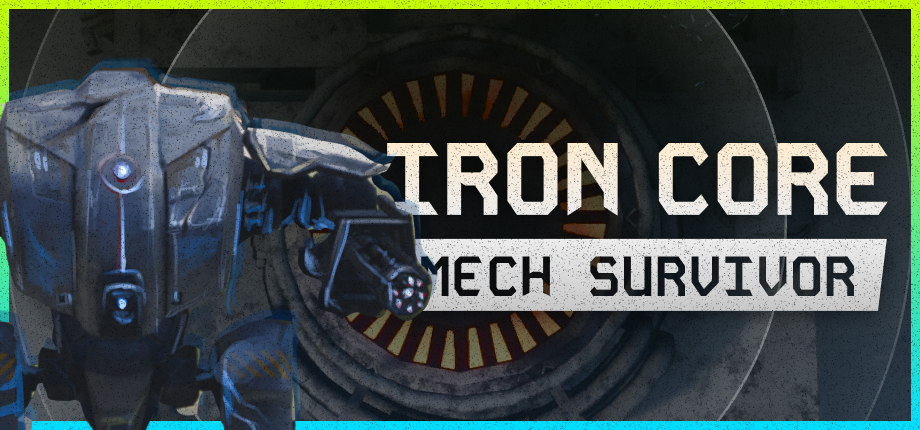
Iron Core has a strong search-friendly hook: a mech survivor game with top-down combat, turrets, reactor fuel, mutants, and co-op. If its developer data shows an unusually steep curve, that is a valuable story even without the impossible superlative. “A small mech roguelite showing strong early momentum” is more credible—and more durable—than an unsupported world record.
Verdict
Iron Core may be growing quickly within its niche. The public evidence is not enough to call it the fastest-growing Steam game in history. Developers with verified backend data can strengthen the claim by publishing the date range, methodology, and comparison set.
Frequently asked questions
Is Iron Core the fastest-growing Steam game ever?
That is not independently established. Public sources show a developer-reported sales milestone and third-party Steam data, but no complete historical comparison across all Steam games.
What sales data is public?
Steam community updates, SteamDB metadata, review counts, player counts, and price history are public. Confirmed unit sales require developer or publisher data.
Sources & further reading
Features and availability can change. Use these first-party pages for the latest details.